
When it comes to proverbs and wise sayings, every culture has a massive arsenal of them and though some are general and are relatable in other cultures and languages, there are some that are unique for each culture, some of which will make no sense to others in different cultures. The following Frafra proverbs and wise sayings provide an insight into Frafra culture and teachings. As My Bolga Online aims to showcase Frafra culture to the world, I present you with an array of the most popular Frafra proverbs and wise sayings and the meaning behind them.
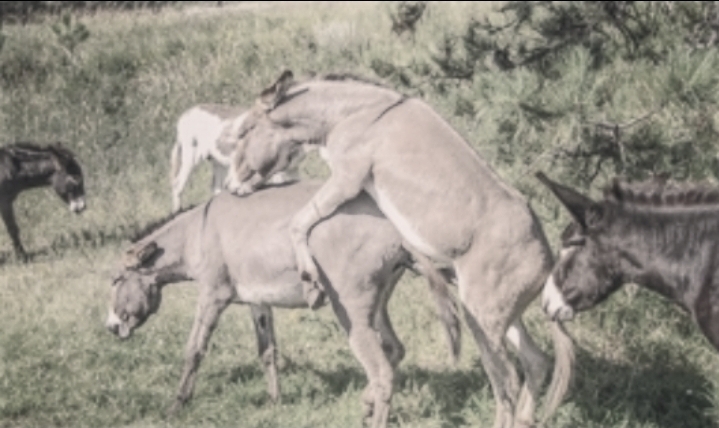
- ‘Bundoo ka zoti kunkura’ to wit, a Jack (the male donkey) is not afraid of kicks or blows from a Jenny (female donkey).
This proverb teaches that in matters of love, a man should expect ‘kicks’ and ‘blows’ from a woman. It teaches that we should not run away at the first sight of trouble, but keep pursuing the target, overcome whatever obstacles there might be to achieve the target, keeping the goal in sight. - The elephant says it will step on the ground for its child to drink so that when it grows weaker, the child will also step on the ground for it to drink. This proverb teaches that as your parents take care of you while they are strong and you’re small, when you grow stronger and your parents weaker, you will take care of them just as they took care of you. Parents are often advised to repeat this proverb to their children while they are young to instill in them a sense of duty and family.
- ‘Baa yeti lu ti n lu n de deongo’ which means the dog says you fall, I fall, that’s how we play. This proverb teaches that in matters of negotiation, both parties should be ready to come to a compromise to resolve an issue. It takes two parties to tango, if we must play or act in good faith, then we put our ego aside and do likewise to each other as we wish them to do to us.
- ‘Sinsibi mola bola wiliyalinga’ which means the sweet berries are at the small dangerous branches. Sweet things are found where there is danger. It is both a caution and a challenge, do you climb to the small branch, and risk falling and breaking some bones, or giving up? Some do go ahead to the small branches, some falling, others managing to achieve the feat without falling. The others, give up without moving forward and make do with whatever is available. Both have their reasons, and this behaviour can be observed in them when they grow older, one group daring while the others reserved, making do with whatever is available.
- The Atatiita bird says you can kill it, but you can never eat its legs.
This bird is very small and has very small legs so that after roasting it, the legs are usually burned off. This teaches us that you can never really achieve everything that you wish to do in life. - The hen says it can defend the innocence of its eggs but not the innocence of its chicks. This proverb teaches us that you can only trust what is not movable. That when our children do something wrong, we should not be quick to defend their innocence otherwise we risk dragging ourselves into their crimes.
- ‘Lia seka n’eere, ke’ere me’ which means the axe that goes places also cuts places.
This proverb teaches that whatever you do in one place, you will do the same wherever you find yourself, that your character follows you wherever you go. This proverb is usually deployed when someone tries to deny their actions, similar to an action acted out in the past. - The ant says that though its vagina is small, it will still show it to its husband.
This proverb teaches that no matter how small your gratitude or resources, it should not prevent you from doing it or showing it. It teaches humbleness and gratitude and is often deployed when a subject feels their action is small as in comparison to what they should have done or shown. - ‘Yine san ka ku, tinga kan di’ which translates roughly as if God doesn’t kill, the earth will not ‘eat’.
It is often believed that God gives, and God takes. So if God doesn’t take, the earth will not ‘eat’ from it. This proverb teaches that our actions have implications and if we do something, our actions will end up benefitting others just as the death of living things nourishes the earth. - ‘Asanvunga yeti zua wam ti yireme’ meaning the Asanvunga says that it will bite you to build its nest.
This proverb teaches that you should expect to go through hard times in order to be able to achieve something useful. - Though the stranger may have big eyes, he or she will not see everything in a new village. This proverb teaches that a stranger can not really understand a place or know who controls what and where until they settles down. It teaches that we should not take things at face value, though we may think we know. When you visit a place, it will take time before you understand the place.
- ‘Ata nore daana kam borige’ which means one who has a mouth, can never get lost.
This proverb teaches that we should always ask for directions in whatever we do. If you’re going to a house in a far away village, the best way to get there is if you ask people, you should not keep mute and get lost. In that same way, you are learning something or doing something, you should ask questions so that you can see the way ahead of you, don’t keep mute and get lost. - ‘Doseka n gme pogi keema la, n gme’ere pogsariga’ to wit the stick used to beat the first wife will be the same stick that will be used on the second wife.
This proverb teaches that whatever was done to your predecessor will be the same that will be done to you. It is a caution pointing out that people hardly change and we should take the past into account in our decisions. - The piglet asked the mother, why do you have a big mouth, and the mother pig says, when you grow old, you will understand why.
This proverb teaches that we eventually become like our parents and that change is inevitable in the course of nature and that if we see our parents as old and shriveled, we should not despise them because we will eventually become like them. - ‘Yena la zelinga zabere gee bona la yire diyima puan’ which means though the teeth and tongue live together, they still fight sometimes. This refers to when you mistakenly bite your tongue. It teaches that we should expect that disagreement is part of the process of living together. This proverb is often deployed when one tries to bring about peace among two feuding parties, especially in terms of misunderstandings among couples, or siblings or even in communities.
End of part 1. Check back later for part 2.
Written by Stephen Atibila Atalebe (Author of many novels set within the Frafra traditional area. You can find his novels on Amazon.com)
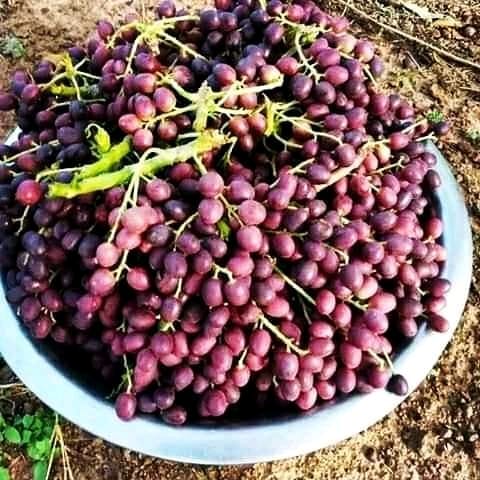
Sinsibi
 My Bolga Online
Very interesting proverbs
LikeLike
That’s great keep it on going.Thank you
LikeLike